Patient observed sterile treatment for intravenous catheters
Estimated risk to transmit HIV through catheters
If a provider takes a catheter and tube from an HIV-infected patient and reuses (without washing or sterilizing) on another patient, the risk to transmit HIV may be estimated at 3%-10%, similar to risks with intravenous injections. However, additional risk can come as the provider injects medicine and saline through the catheter: Is the syringe delivering the medicine reused, unsterilized, and contaminated? Is the medicine or saline coming from a contaminated multidose vial? This additional risk accumulates as the catheter stays in place.
POST for catheters
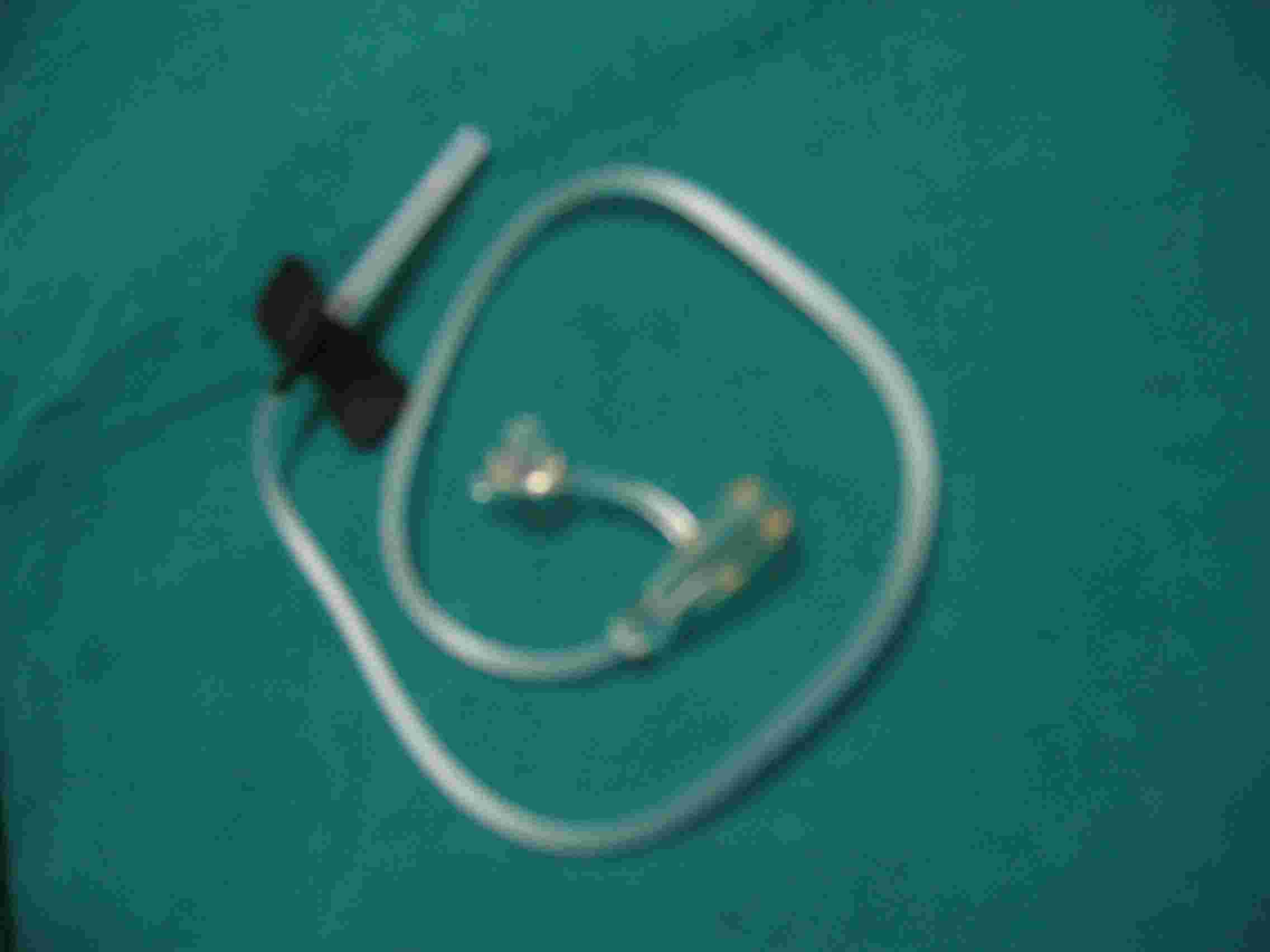
| POST for intravenous catheters: When you stay in a hospital, a doctor may propose to insert a catheter into a vein. This is a needle with a tube attached and is also called a scalp vein set. After sticking the needle into a vein, the provider tapes the tube to your arm, where it can stay for several days.[i] The tube ends in a port (closed by a plug or valve) through which a provider can inject medicine into your vein. Providers inject medicine through catheters. To prevent a catheter from getting clogged, your provider will inject saline through it from time to time. |
| 1. Avoid skin-piercing procedures |
If a doctor proposes to stick a catheter into a vein in your arm or anywhere else, ask if he or she could give you medicines through injections and/or orally instead. |
| 2. Use new disposable instruments |
If the provider cooperates: Ask him or her to take a disposable catheter from a sealed plastic bag opened in front of you, or ask if you can buy and bring a new disposable catheter. They do not cost much.
If the provider cooperates: Ask them to use a new disposable syringe every time they inject medicine into the catheter, or to reuse the same one for you only (see Injection section).
If the provider cooperates: Ask him or her to take medicines and saline water injected from single-dose vials or from multi-dose vials set aside for you only (see Injection section).
If the provider cooperates, you can buy a bottle of saline to keep by your bed.
|
| 3. You sterilize the instruments |
This is not relevant. Avoid, or use disposables. |
| 4. Ask providers how they sterilize instruments |
This is not relevant. Avoid, or use disposables. |
Additional information on intravenous catheters
Contaminated syringes, multi-dose vials, and saline bottles: Intravenous catheters have all the risks that you get with infusions, plus additional risks. A lot of doctors and nurses think the port at the end of a catheter is sterile, which is not at all so. Thinking it is safe, many doctors and nurses reuse the same syringe to put medicine into catheters for one patient after another, drawing more medicine from time to time from multi-dose vials. Thus, with catheters you have to worry not only about the needle and tube, but also about all the syringes and multi-dose vials that are used to put medicine through the catheter.

Scalp vein set
Because catheters can get clogged when they are not used, nurses will often inject saline solution to keep them open. Providers who are unaware that ports are contaminated may reuse syringes for multiple patients, taking saline water from multi-dose vials. If so, syringes and saline water may be contaminated.
Because of all these risks, you are generally safer taking injections from time-to-time rather than having a catheter. Whether or not you will have a catheter is something you might have to work out with your doctor. So be ready to discuss.
 Bloodborne HIV: Don't Get Stuck!